

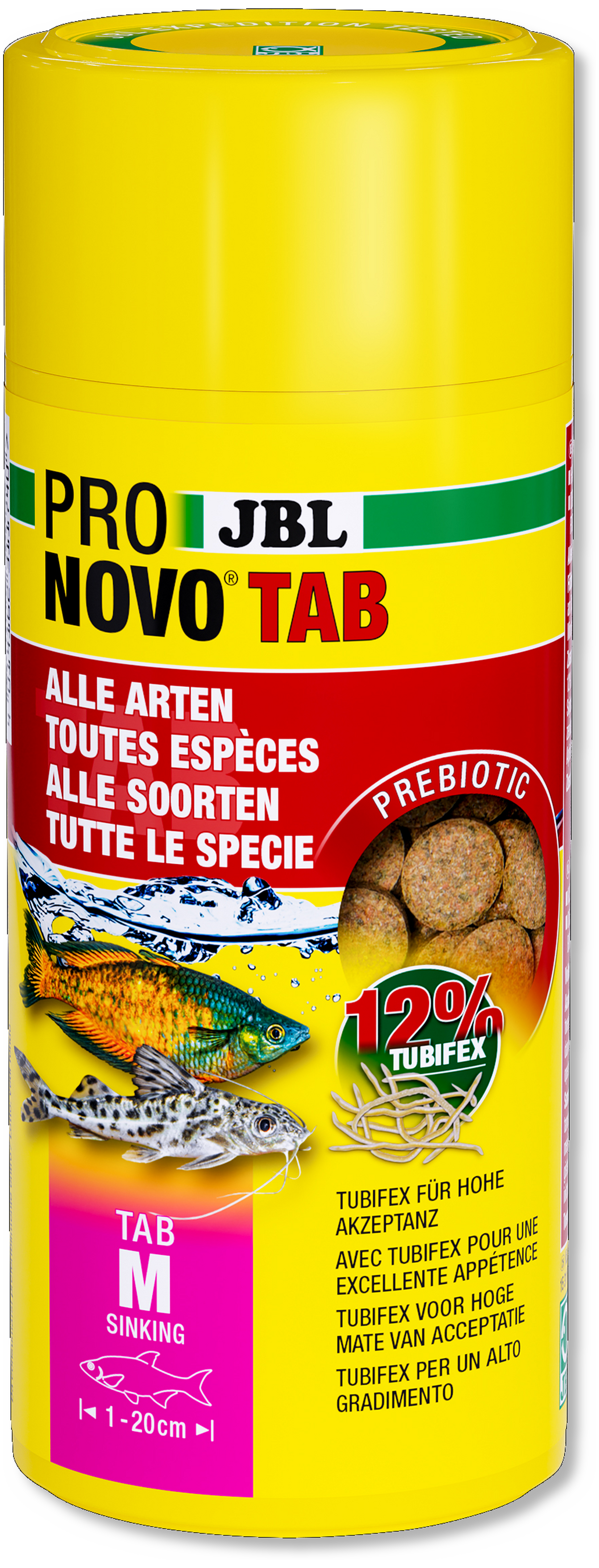

- Sinking prebiotic food for aquarium fish: the special dietary fibers contained in the food nourish the positive intestinal bacteria for healthy digestion.
- Raw, natural ingredients, without synthetic additives, for a diet close to the natural diet and good health for aquarium fish. Tested during JBL research expeditions in tropical regions.
- Highly palatable, even for picky characins, thanks to premium ingredients such as salmon, shrimp, spirulina and insects.
- Contains very high quality natural astaxanthin, extracted from krill and spirulina, which ensures perfect coloration of neon tetras and other characin species.
- Contents: Original sealed box, airtight and lightproof, recyclable, with CLICK dispenser for easy feeding, or in a 20g freshness pouch
The Species-Specific Biological Concept for Ornamental Fish:
Alongside a staple food like JBL PRONOVO BEL for community aquariums, your fish have access to the JBL PRONOVO Species-Specific Concept. Within this concept, you can supplement, or even replace, the staple food by targeting specific species. It won't be a problem if your betta also eats the food intended for your barbs, and vice versa. It's simply important to provide the appropriate food for each group of fish. Diversity is always a positive factor!
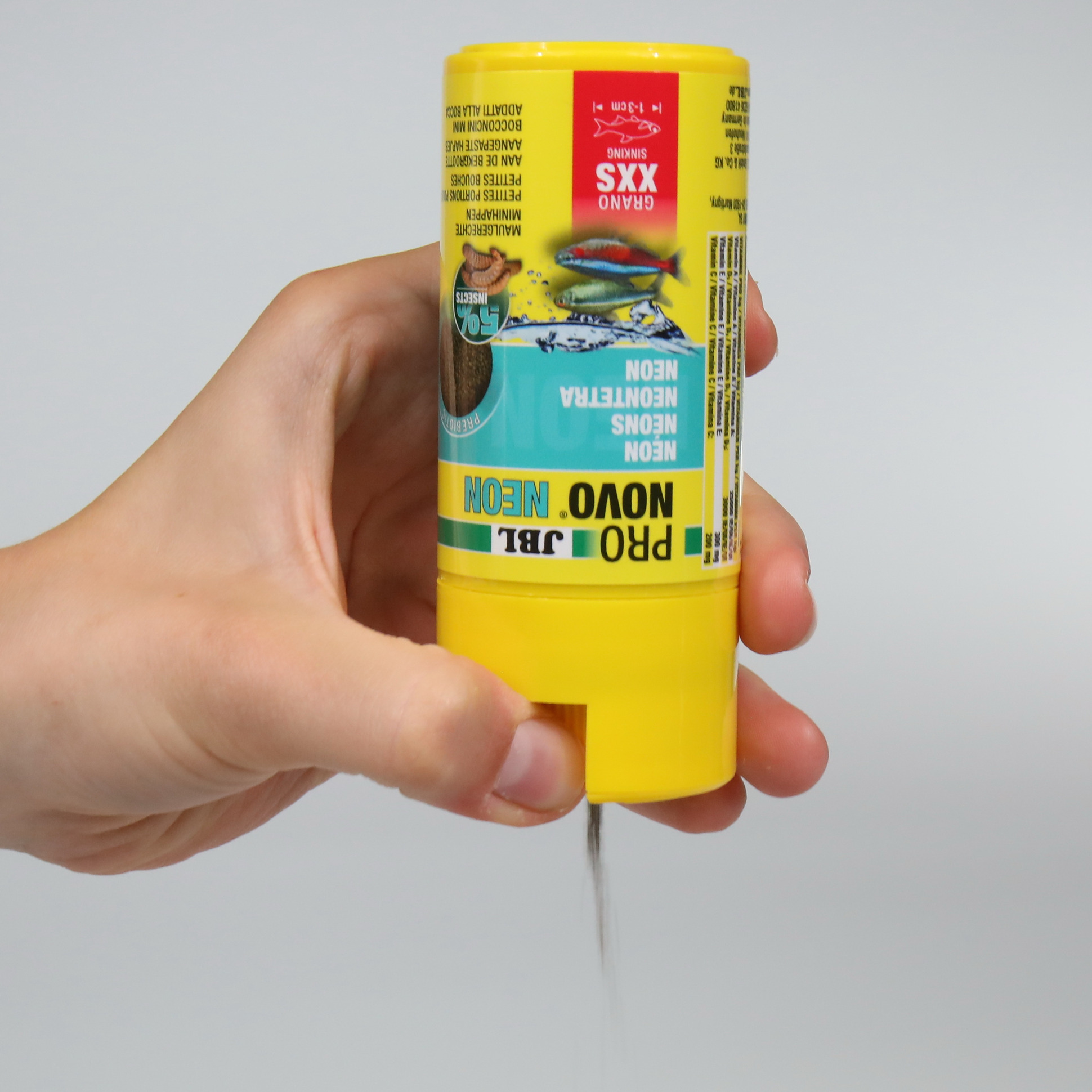
Want to give your neon tetras or corydoras the exact food they need? No problem: in the JBL Species-Specific range, you'll find granules perfectly suited to the mouths of neon tetras (and other small characins), with a composition that precisely meets their needs, including insects: JBL PRONOVO NEON. Neon tetras live in blackwater environments that are very low in nutrients and depend on small plankton, which is adapted to the size of their mouths. Corydoras, on the other hand, live at the bottom and have a different diet. JBL PRONOVO CORYDORAS therefore contains suitable ingredients, such as shrimp and spirulina. For a balanced diet, they need variety. Shrimp represents all small animal organisms, but also the flesh of dead fish that corydoras find while sifting through the substrate with their barbels.
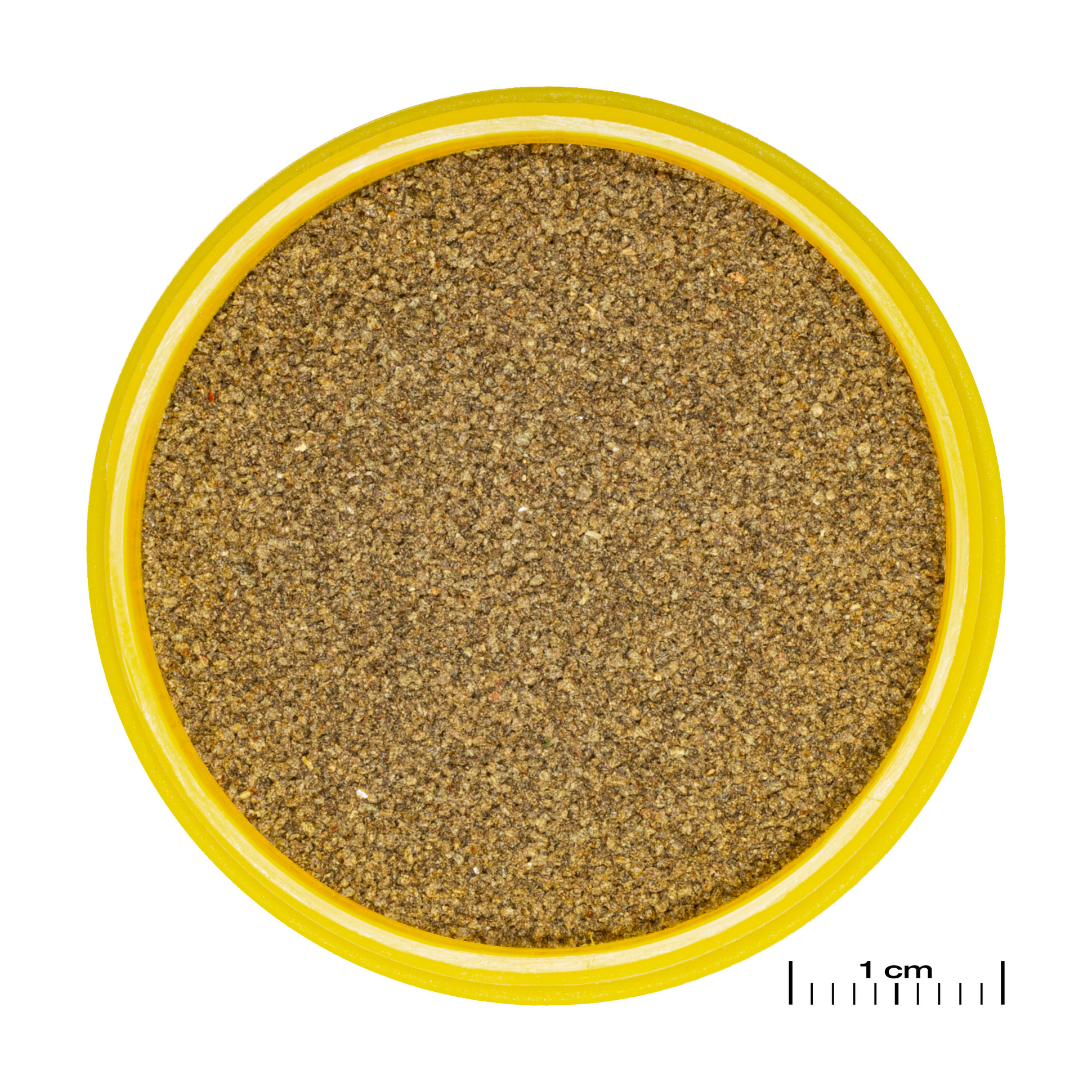
The right food size: A crucial aspect of feeding fish properly is ensuring the food is the right size for their mouths. For small species, it's important that the food pieces reach their mouths, as they can't bite well. If you're unsure which food size to choose, always opt for the smaller one. Predators generally tolerate larger pieces much better, as their diet sometimes includes pieces that are "too big.".

Notice
There are no reviews yet.